


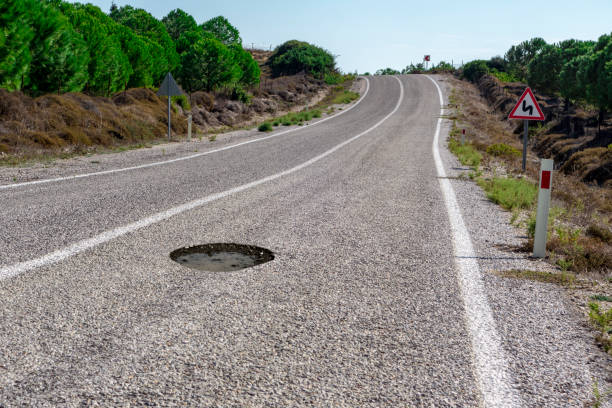
Sinkholes in roads are a dangerous and often sudden phenomenon that can lead to serious accidents and damage. These depressions or holes in the ground surface form when the ground beneath the road collapses, leaving a void. Understanding what causes sinkholes in roads is essential for identifying potential risks and preventing these hazards. While sinkholes can vary in size from small depressions to massive craters, their impact on infrastructure, particularly roads, can be severe. Several factors contribute to their formation, ranging from natural processes to human activity.
1. Natural Geological Processes
The primary cause of sinkholes in roads often stems from natural geological processes. Many sinkholes form in areas where the bedrock is made up of soft, soluble rocks, such as limestone, gypsum, or salt. Over time, groundwater dissolves these rocks, creating underground cavities. When the surface above these cavities can no longer support its weight, it collapses, forming a sinkhole.
Regions with karst landscapes, characterized by limestone bedrock, are particularly susceptible to this phenomenon. Water naturally seeps through cracks in the rock, gradually eroding it and leading to the formation of large, underground voids. Eventually, the weight of the surface layer causes the ground to give way, and a sinkhole forms. This process can take years, but the collapse itself is often sudden and without warning.
2. Human Activity
While natural geological processes are a major cause of sinkholes, human activity can also play a significant role. Water main breaks, construction activities, and mining operations are all examples of human-related factors that can lead to the formation of sinkholes in roads.
- Leaking pipes: One of the most common causes of sinkholes is underground water leaks from aging or damaged infrastructure. Water seeps out of broken pipes, eroding the surrounding soil. Over time, this creates a void beneath the road surface. As the soil is displaced, the road can collapse into the hole, causing a sinkhole.
- Construction and drilling: Heavy construction activity, such as drilling and excavation, can disturb the natural structure of the ground. This disturbance can lead to soil displacement and result in a sinkhole, especially in areas already prone to underground cavities.
- Mining activities: In some areas, abandoned mines or improper mining techniques can cause subsurface instability. The removal of materials from the ground during mining operations can leave large empty spaces. Over time, these spaces may collapse, leading to surface sinkholes.
3. Drainage Problems
Another key factor in the formation of sinkholes in roads is poor drainage systems. When drainage systems fail, water can accumulate in areas beneath the road. Over time, the pressure of the water can erode the ground beneath the surface, creating voids. In regions where the soil is naturally loose or prone to erosion, this process can happen quite rapidly, causing sudden sinkholes.
In urban areas, stormwater runoff is a common problem. If roads are not properly designed to handle heavy rainfall, water can pool beneath the surface. This weakens the ground and eventually leads to a collapse. Proper drainage maintenance, including clearing blockages and ensuring that stormwater systems are functioning, is essential to preventing sinkholes.
4. Weather and Climate Conditions
Extreme weather events and climate conditions can also contribute to the formation of sinkholes. Heavy rainfall, flooding, and drought all have the potential to destabilize the ground beneath roads.
- Heavy rainfall and flooding: Excessive rain can saturate the soil, making it heavy and prone to collapse. In addition, rainwater can erode the bedrock or soil beneath the surface, creating cavities that lead to sinkholes.
- Drought: In contrast to flooding, drought conditions can also trigger sinkholes. When the water table drops due to prolonged dry periods, the ground may become unstable, especially in areas with soluble rock formations. This lack of support from groundwater can cause the surface to collapse, forming a sinkhole.
5. Buried Organic Materials
Sinkholes can also form when buried organic materials, such as trees, vegetation, or animal remains, decompose over time. As these materials break down, they leave voids in the ground. Roads built over such areas are at risk of collapsing as the surface layer is no longer supported by a solid foundation. Over time, the weakened structure can lead to the formation of a sinkhole.
Conclusion
The causes of sinkholes in roads are varied and complex, ranging from natural geological processes to human activity and poor drainage. Understanding these causes is the first step toward preventing sinkholes from forming. Regular monitoring of road infrastructure, proper maintenance of drainage systems, and addressing water leaks promptly can help mitigate the risk of sinkholes in urban areas.